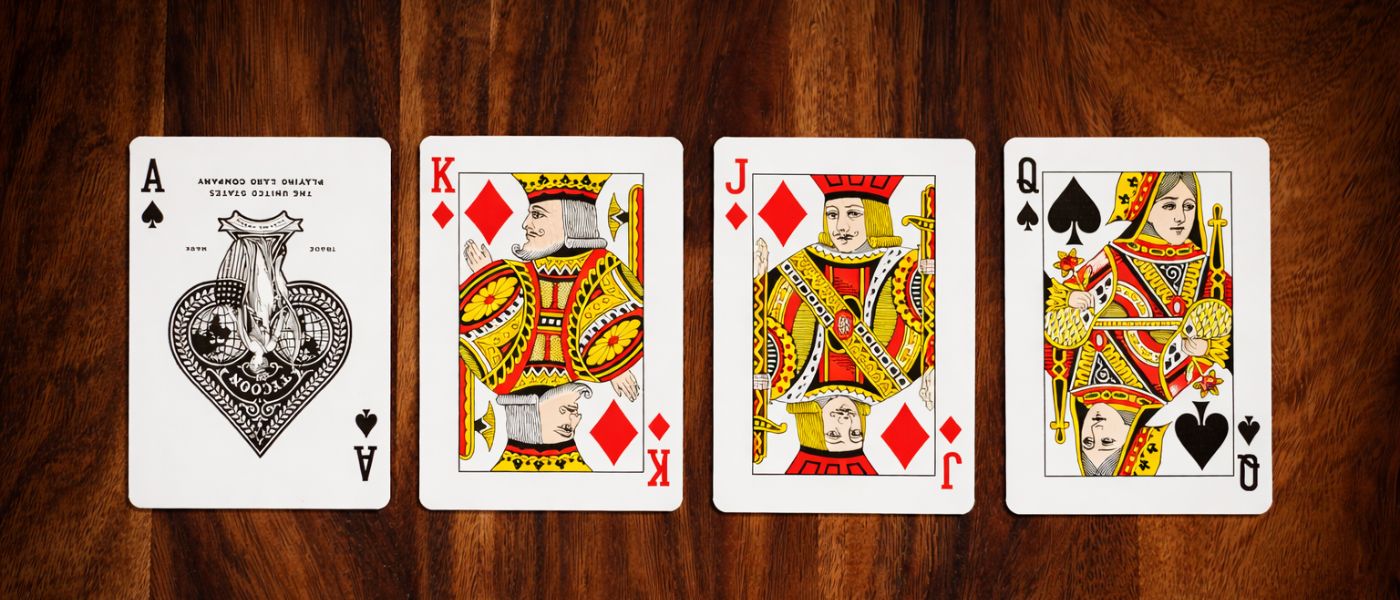
Poker night is one of those rare social events that never gets old. If you hosting a casual game or organising a in-house poker party, there’s something about the mix of strategy, banter, and friendly competition that keeps everyone entertained.
Hosting a poker night at home that runs smoothly takes a bit more thought than just grabbing a deck of cards and hoping for the best.
This guide walks you through everything, from the essential gear and poker night setup to house rules, food, drink, and even some unique poker night traditions to try with friends. By the end, you’ll know exactly how to organise a poker night that your group will be talking about for weeks.
Planning a Poker Night: Where to Start
Good planning is what separates a memorable poker night event from a disorganised mess. You don’t need to overthink it, but a bit of preparation goes a long way.
Pick Your Date, Time, and Format
Weekday evenings (usually Thursday or Friday) are popular choices. Aim for a start time that gives people a chance to arrive, settle in, and eat and drink something before poker game starts.
A cash game is flexible. Players can join late, leave early, and buy back in at any point. Chips represent real money, and the game continues as long as people want to play. This format suits casual, open-ended evenings.
A tournament has a fixed buy-in, a defined structure with escalating blinds, and a clear finish point. Everyone starts with the same number of chips, and play continues until one person has them all. Tournaments work brilliantly for groups with mixed experience levels because every player knows exactly what they might lose upfront.
How Many People Should You Invite?
The sweet spot for a single-table poker night with friends is six to eight players. Invite a couple of extras beyond your ideal number. Life happens, someone will inevitably cancel at the last minute. Having a backup list means you won’t be scrambling on the day.
When building your guest list, think about group dynamics. A mix of skill levels keeps things interesting, but make sure newer players won’t feel intimidated or out of their depth. If your group includes beginners, plan to run through the basics before the first hand.
Poker Night Essentials: Your Complete Setup Checklist

Getting your poker setup right is one of the most important parts of hosting. You don’t need a casino-grade setup, but having the right gear makes a noticeable difference to the flow and feel of the evening.
Cards
You need at least two decks of playing cards one in play and one being shuffled and readied for the next hand. This simple trick keeps the game moving and eliminates dead time between hands. Standard poker-size cards work fine. Plastic-coated cards are worth the small extra cost because they shuffle more easily, last longer, and survive the random drink spills.
Chips
A 300-piece chip set is sufficient for six to eight players. Sets are widely available online and typically cost between $50 and $150 New Zealand Dollars. Look for sets that include at least three or four chip colours so you can assign different denominations.
Table
You don’t need a dedicated poker table to have a great night, a dining table will get the job done. But if you want to take things to another level entirely, hiring a professional poker table for the evening won’t break the bank, and the difference it makes is hard to overstate.
There’s something about sitting down at a professional poker table, the weight of real chips in your hand, the smooth glide of cards across the surface, the built-in cup holders transform the whole experience.
Suddenly it’s not just a card game at someone’s house. It feels like an casino event. Your guests notice it the moment they walk in, and that buzz of excitement carries through the entire night.
Pair a poker table with a live dealer and the atmosphere goes up another gear. A dedicated dealer keeps the game flowing, handles chip counts and side pots without hesitation, and frees you up to actually enjoy the evening as a host instead of juggling cards and conversation. It also adds a layer of authenticity that makes everyone feel like they’re part of something special.
We offer both poker table hire and professional dealer hire, so whether you want the full casino-night experience or just a quality table to for your setup, get in touch.
Seating
Count your confirmed players and make sure every seat is accounted for. Chairs with good back support matter more than you’d think, a poker night at home can easily run three to four hours.
Seating
A dealer button keeps track of whose turn it is to deal and ensures betting order stays consistent.
Setting Up Your Poker Night Space
The physical environment matters more than most hosts realise. A well-set-up space keeps players comfortable, focused, and in a good mood.
Music sets the tone. A low-volume playlist with lo-fi beats, or classic rock works nicely as background ambiance. Keep it quiet enough that players can concentrate and hold conversations, the music should complement the evening, not compete with it.
Temperature is an easy one to overlook. A room full of people will warm up quickly. Crack a window, turn on a fan, or adjust the thermostat before everyone arrives.
Drinks away from the table. Set up a separate drinks station so spills don’t ruin your cards or chips. A side table, kitchen bench, or bar cart all work well for this.
Poker Night Rules: Keeping the Game Fair and Fun
Establishing house rules before the first card is dealt prevents arguments and keeps the evening running smoothly. As the host, you are the de facto referee, so know the rules inside and out.
Rules Every Host Should Set in Advance
Buy-in and rebuy policy. Decide how much the buy-in costs and whether players can rebuy if they bust out. Set a minimum and maximum buy-in.
Blind structure. In a tournament, blinds increase at set intervals (every 15 – 20 minutes is common for home games). In fun and cash games, static blinds are recommended.
Betting rules. Clarify what “all-in” means, how side pots work, and whether string betting (adding chips to a bet in multiple motions) is allowed.
Table etiquette. Cards must stay visible on the table at all times. Phones should be put away during active hands. No discussing hands in progress with other players. Acting out of turn gets a warning, not a penalty, especially with beginners.
End time. Even open-ended cash games benefit from a rough end time. Knowing the night wraps up around midnight helps people plan their evening and avoids the game fizzling out awkwardly.
Tips for Playing Poker With Friends: Strategy for Hosts
As the host, your job extends beyond logistics. You’re setting the tone for the entire evening. Here are some practical poker night tips that experienced hosts swear by.
Learn the game properly before hosting. You don’t need to be an expert, but you should be fluent in hand rankings, betting rounds, and common situations. Confidence is contagious and if you know what you’re doing, the table relaxes.
Run a practice round. If your group includes beginners, deal a few hands face-up before playing for real. Walk everyone through the action, explain bet sizing, and let them ask questions. Ten minutes of practice saves an hour of confusion.
Keep the pace moving. Dead time kills momentum. Use two decks, keep shuffling quick, and gently prompt slow players. A well-paced game keeps everyone engaged, even the players who’ve already folded.
Be a gracious host, even when losing. If you’re the host and you’re having a bad run, your mood affects everyone at the table. Stay positive, keep the conversation going, and remember that your guests’ experience matters more than your chip stack.
Manage dominant players. In every group, there’s usually one person who talks too much, plays too aggressively, or takes things too seriously. A quiet word between hands can prevent them from ruining the vibe for everyone else.
Poker Night Strategy: Formats That Work
The poker variant you choose significantly affects how the evening plays out. Here’s a quick breakdown of the most popular options for home games.
Texas Hold’em (Recommended) is the most widely known variant and the easiest to learn. Each player receives two private cards and shares five community cards. It’s fast, strategic, and familiar to most people from television and online play. This is the default choice for most poker nights with friends.
Pot-Limit Omaha is similar to Hold’em but gives each player four private cards instead of two. This creates bigger hands, bigger pots, and more dramatic swings. Best suited for experienced groups looking for extra excitement.
For a first-time poker night event, stick with Texas Hold’em. Save the exotic variants for once the group has a few games under its belt.
Food and Drinks: Fuelling the Night Right
No poker night is complete without good snacks and drinks. The key principle: keep it simple, keep it shareable, and keep it away from the cards.
Finger food is king. Pizza, sliders, wraps, nachos, or a build-your-own taco setup all work brilliantly. They’re easy to eat between hands without needing cutlery or plates. Avoid anything messy, greasy, or crumbly, you don’t want chip grease on your chip stacks.
Drinks. BYOB (bring your own beverages) is the standard approach for home poker games. It keeps costs off the host and ensures everyone gets what they like. Have water and soft drinks available as well. Set up a designated drinks area away from the playing surface.
What to Take to a Poker Night (If You’re a Guest)
If you’ve been invited to someone else’s game, poker etiquette says you should bring something. A six-pack, a bottle of wine, or a bag of quality snacks is appreciated. Bring your buy-in in cash (ideally in small bills for easy change-making), arrive on time, and be ready to play. If you’re a beginner, say so upfront – no one minds teaching.
Unique Poker Night Traditions to Try With Friends
Once your group gets into a rhythm, adding traditions can make take your poker night into something your friends look forward to. Here are a few ideas to make your poker nights stand out.
The winner’s trophy. Buy a cheap, ridiculous trophy or custom poker chip that the winner holds until the next game. It adds bragging rights and a reason to show up next time.
The bad beat jar. If you lose with a particularly strong hand, you get to put a dollar in the jar. At the end of the season, the jar pays for a group dinner or the next buy-in for the worst performer.
Themed nights. Casino Royale dress code, Western night, or retro Vegas a theme gives people an excuse to go all-in (pun intended) on the experience and creates fantastic photo opportunities.
Making Your Poker Night a Regular Event
The best poker nights are when they become a recurring tradition. Here’s how to build consistency.
Pick a regular schedule. Fortnightly, or monthly, or whatever suits your group. The same day and time each cycle (like the first Thursday of every month) makes it easy for people to plan around. Consistency is the single biggest factor in keeping a home game alive.
Maintain a group chat. A dedicated WhatsApp or Messenger group for your poker crew makes organising easy. Confirm numbers a few days before, send reminders, and share results and banter between games.
Rotate hosting. Sharing the hosting duties prevents burnout and lets everyone contribute. Each host can add their own flair, different food, different music, different traditions.
Welcome new players. Groups naturally evolve. People move, schedules change, and interest fluctuates. Keep the door open for new players to join, and make sure they feel welcome when they do.
Hosting a Poker Night FAQ’s
How many people do you need for a good poker night?
Six to eight players is the ideal range for a single-table home game. You can play with as few as four, but the game becomes more dynamic and social with a fuller table.
How long does a poker night usually last?
Most home poker games run between two and four hours. Cash games can run longer depending on the group’s energy.
What’s the best poker game for beginners?
Texas Hold’em is the most accessible variant for new players. The rules are straightforward, most people have some familiarity with it, and there’s plenty of online content for anyone who wants to study up beforehand.
How much should the buy-in be?
For a casual home game, $10 – $30 is a comfortable range. The buy-in should be enough to make the game interesting without causing anyone financial stress.
Is it legal to host a poker night at home?
Yes. Holding poker games, poker tournaments, or poker evenings is legal in New Zealand Department of Internal Affairs, but there are a few rules to follow. Home poker games fall under Class 1 gambling in the Gambling Act 2003. Class 1 gambling does not require a licence New Zealand Police, but it comes with conditions: the total prize pool and turnover for any session must not exceed $500, and the host cannot profit from the game, all proceeds (less costs) must be paid out to the winners.
What food is best for poker night?
Finger foods that are easy to eat between hands work best. Pizza, sliders, nachos, nuts, and cheese boards are all popular choices. Avoid anything that’s messy or requires cutlery.
Ready to Plan Your Event?
We've helped hundreds of companies create unforgettable casino experiences. Let's discuss how we can make your next event extraordinary.